
Introduction to Chatbots in Banking
Understanding Chatbot Technology
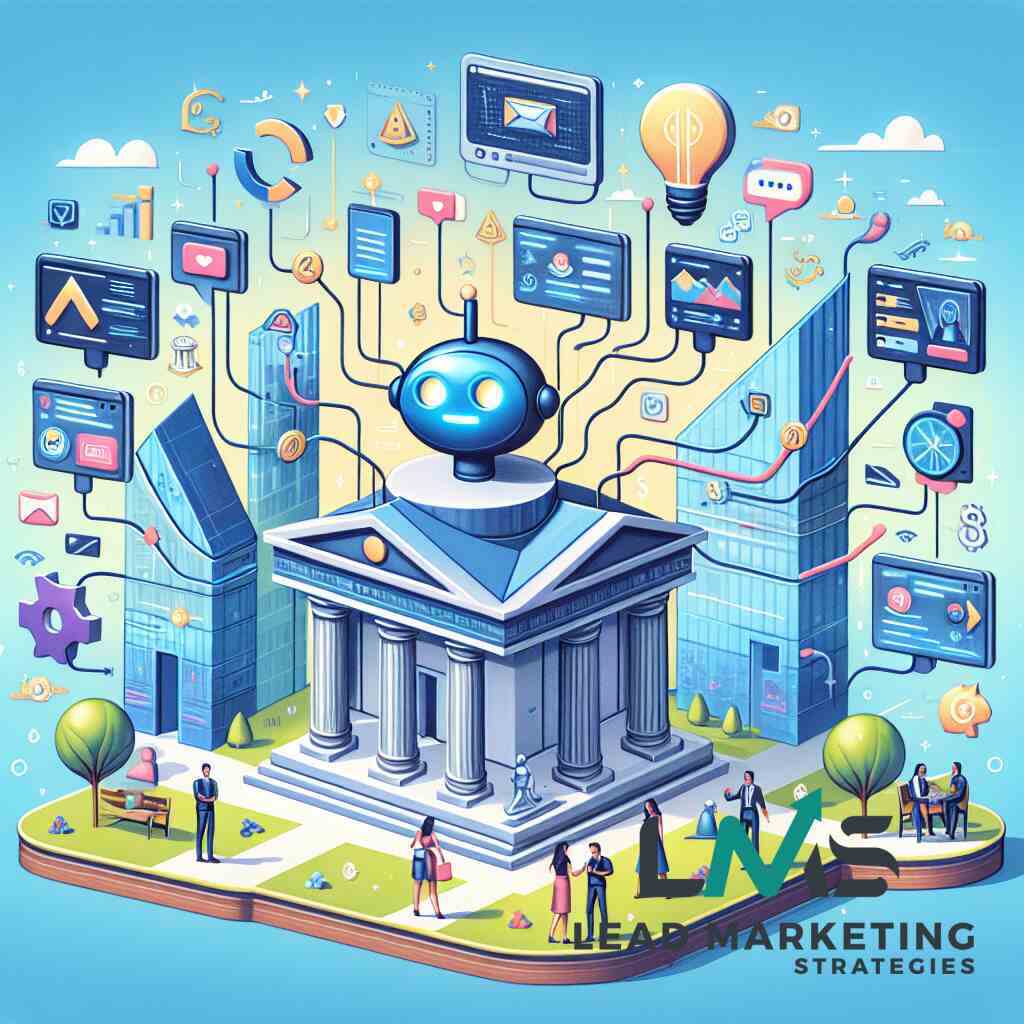
Chatbots represent a seismic shift in how banks interact with their customers. At the heart of this technology are artificial intelligence (AI) and machine learning, which enable chatbots to understand and process user queries intelligently. These digital assistants can interpret language, analyze customer requests, and provide responses almost instantaneously. By deploying chatbot technology updates in banks, financial institutions can handle a wide array of customer inquiries without human intervention, ranging from basic account balance checks to more complex transactions and financial advice.
Importance of Chatbots in Customer Service
The deployment of chatbots in customer service isn’t just a technological enhancement- it’s a strategic upgrade. Banks are now capable of providing seamless, around-the-clock customer support without the overhead associated with staffing call centers 24/7. This level of constant availability significantly enhances customer satisfaction as inquiries and issues can be resolved anytime, anywhere. Moreover, chatbots contribute to a personalized banking experience as they learn from each interaction to better serve the customer’s specific needs over time.
Overview of Chatbot Usage in Banks
Several leading banks have already integrated chatbots into their operational model, reaping substantial benefits in customer engagement and operational efficiency. These AI-driven interfaces are not just restricted to answering FAQs; they are now equipped to execute transactions, offer financial advice, and even upsell banking products tailored to the customer’s history and preferences. The integration of chatbots within bank CRM systems allows a smooth flow of customer data between various services, enhancing both the effectiveness of the chatbots and the overall customer experience. Through these initiatives, banks are setting new standards in customer interaction, paving the way for a more digital and accessible banking environment.
Benefits of Implementing Chatbots in Banks
24/7 Customer Support
One of the most significant advantages of integrating chatbots in the banking sector is the provision of 24/7 customer support. Unlike human agents, chatbots do not require breaks and can handle an infinite number of customer queries simultaneously and at night. This constant availability ensures that customer concerns are addressed promptly, regardless of the hour, effectively enhancing user satisfaction and loyalty. Furthermore, strategies for 24/7 banking support can be optimized with chatbots, guaranteeing that no customer query goes unanswered.
Reducing Bank Call Center Load
Chatbots significantly reduce the workload on bank call centers by handling routine inquiries that otherwise consume a large portion of human agents’ time. By automating responses to common questions regarding account balances, recent transactions, payment due dates, and more, chatbots free up human agents to handle more complex issues. This not only speeds up response times but also increases the efficiency of the customer service process, ultimately leading to a reduction in operational costs.
Enhancing Customer Engagement
Chatbots go beyond mere transactional interactions to actually enhance customer engagement. By utilizing data-driven insights, chatbots can deliver personalized banking advice, recommend new products, and inform customers about updates or changes. Their capability to interact conversationally makes the banking experience more engaging and interactive. This personalized attention helps banks cement their relationships with customers, turning casual users into loyal patrons.
Personalized Banking with AI
AI-driven chatbots offer an incredibly effective level of personalization in today’s competitive banking environment. They analyze individual customer data to understand behavior patterns and preferences, enabling them to tailor suggestions and solutions uniquely suited to each user. This form of personalized banking not only enhances customer experience but also boosts the effectiveness of financial offerings, making services like automated financial advising through chatbots more intuitive and responsive to customer needs.
Improving Customer Satisfaction
Finally, the ultimate benefit of implementing chatbots in banking is the overall improvement in customer satisfaction. Chatbots handle queries with rapid responses, reduce wait times, offer personalized banking advice, and are available around the clock. All these factors contribute to a smoother customer experience. Banks that embrace this technology often see an uptick in customer satisfaction scores, which are crucial for customer retention and attracting new clients in a competitive market. Employing a sophisticated banking marketing agency can further enhance these outcomes, leveraging cutting-edge technology to align with consumer expectations effectively.
Key Features of Banking Chatbots
Automated Banking Solutions
Banking chatbots are equipped with a variety of automated solutions that streamline operations and enhance customer interactions. These solutions range from simple tasks such as account balance inquiries and transaction histories to more complex operations such as fund transfers and bill payments. Automated banking solutions provided by chatbots enable banks to handle large volumes of customer requests efficiently and accurately, reducing the need for human intervention and thereby cutting down operational costs. As banks continually seek ways to innovate and optimize their services, integrating automated solutions via chatbots has become an indispensable strategy for keeping pace with consumer demands and technological advancements.
Chatbot Financial Advice
Financial advice via chatbots represents a significant leap towards democratizing financial planning services. Chatbots, using AI algorithms, can analyze customer accounts, spending habits, and financial goals to provide personalized advice on budgeting, investments, and savings. This technology enables customers to make informed financial decisions effortlessly. Additionally, chatbots can alert customers about potential financial opportunities or risks based on their current financial landscape. This proactive approach to providing financial advice helps banks build trust and loyalty among their clients, ensuring a more engaged customer base.
AI-Driven Banking Services
AI-driven services in banking chatbots go beyond routine transactions and extend into personalized customer journeys and sophisticated decision-making processes. These chatbots employ deep learning to understand and predict customer behavior, offering services such as customized loan offerings, investment opportunities, and even fraud detection alerts. AI-driven customer interaction in banking enables banks to deliver a highly customized banking experience that responds dynamically to each customer’s unique needs and preferences. By harnessing the power of AI, banks can create a more responsive, intuitive, and secure banking environment.
Seamless Integration with CRM
The integration of chatbots with bank CRM systems is a game-changer for customer relationship management. This seamless integration allows for real-time data exchange between chatbots and other banking platforms, ensuring that all customer interactions are logged and analyzed for future reference. Such integration enhances customer service by providing chatbots access to comprehensive customer profiles, including past interactions, preferences, and behavior patterns. This information aids chatbots in delivering more relevant and timely responses, thereby improving the overall customer experience. CRM integration also helps in maintaining consistency across various customer service channels, ensuring that all customer touchpoints are in sync.
Real-Time Responses and Interactions
One of the standout features of banking chatbots is their ability to provide real-time responses and interactions. Whether a customer is inquiring about their account status or negotiating loan terms, chatbots can deliver instant replies any time of the day. This capability is crucial for enhancing customer satisfaction, particularly in an era where speed and efficiency are highly valued. Real-time interactions also allow for more dynamic conversations, where chatbots can ask clarifying questions if necessary, leading to more accurate and helpful responses. This feature ensures that customers feel heard and valued, significantly enhancing their engagement with the bank.
Steps to Successful Chatbot Implementation

Assessing Customer Needs and Pain Points
Before implementing a chatbot, it’s crucial to understand the specific needs and pain points of your banking customers. This initial assessment guides the development of a chatbot solution tailored to address these key areas effectively. Through surveys, data analysis, and direct customer feedback, banks can identify common inquiries and transactions, thus prioritizing functions that maximize convenience and efficiency for users. Recognizing these factors not only ensures that the chatbot provides relevant assistance but also enhances overall customer satisfaction and engagement.
Choosing the Right Technology
Selecting the appropriate technology for chatbot implementation involves examining various AI platforms and tools that can seamlessly integrate with existing banking systems. The technology should support sophisticated AI capabilities, like natural language processing and machine learning, to enable the chatbot to understand and learn from interactions and improve over time. Additionally, considering factors such as scalability, security, and compliance with banking regulations is imperative. Partnering with technology providers who have a proven track record in the financial sector, such as those specializing in digital SEO strategies for banks, can contribute significantly to the success of the chatbot implementation.
Collaboration with a Banking Marketing Agency
To maximize the effectiveness of chatbots, collaboration with an experienced banking marketing agency is vital. Such agencies can offer insights into customer behavior and preferences, which are critical in creating a user-friendly chatbot. They can assist in strategic planning, from the initial design phases to the chatbot’s implementation, ensuring that it aligns with the bank’s broader marketing and customer service strategies. Lead Marketing Strategies, known for its expertise in financial services marketing, can guide banks through this integration process effectively, setting the stage for a successful deployment.
Ensuring Data Security and Privacy
One of the paramount concerns in the deployment of banking chatbots is the security and privacy of customer data. Banks must adhere to strict data protection regulations to protect sensitive customer information. Implementing robust encryption methods, secure data storage solutions, and regular security audits are essential practices. Furthermore, transparency with customers about how their data is used and secured by chatbots reassures them of their privacy, helping to build trust in the digital tools provided by the bank.
Continuous Improvement and Updates
Last but not least, the implementation of a chatbot is not a one-time task but a continuous process. Banks need to routinely assess the performance of their chatbots and make improvements based on customer feedback and technological advancements. This involves regular updates to the chatbot’s algorithms to refine its understanding and interaction capabilities. Additionally, staying updated with the latest AI developments and guides to implementing banking chatbots can provide banks with competitive advantages by enhancing the chatbot’s functionality and maintaining a modern, efficient customer service tool.
These strategic steps ensure that implementing chatbots in banking goes beyond installing a new technology. It involves a comprehensive approach focusing on customer needs, the right technology, expert collaboration, uncompromised security, and ongoing enhancements, all of which are crucial for revolutionizing customer service in the banking industry.
Case Studies and Success Stories
Successful Chatbot Implementations in Banks
Banks worldwide are increasingly turning to chatbots to enhance customer service and streamline operations. A prominent example involves a major bank that implemented a chatbot capable of handling thousands of customer interactions daily. This AI-driven tool not only reduced the load on customer service representatives but also improved response times dramatically. Through seamless integration with the bank’s existing CRM systems, the chatbot provides personalized responses based on customer history and preferences, significantly enhancing customer satisfaction.
Furthermore, another bank capitalized on chatbot technology to automate routine inquiries such as balance checks and transaction queries, which constituted approximately 50% of incoming customer service requests. This strategic implementation allowed the bank to redeploy its human resources to more complex tasks, thus optimizing workforce efficiency and improving the overall service quality.
Customer Feedback and Positive Outcomes
The implementation of chatbots in the banking sector has garnered overwhelmingly positive feedback from customers. Users appreciate the 24/7 availability of chatbot services, which ensures that their financial needs can be addressed at any time without waiting for business hours. For example, a regional bank reported a significant increase in customer satisfaction scores after introducing a chatbot that handled frequent requests and provided real-time financial advice.
Customers have also praised the personalized nature of chatbot interactions. By analyzing past behaviors and preferences, chatbots offer tailored banking advice and solutions, making every interaction unique and relevant. This level of personalization has helped deepen customer relationships and enhance loyalty, as evidenced by increased retention rates and growth in customer acquisition through positive word-of-mouth.
Lessons Learned from Implementation
While the benefits of chatbots are clear, the implementation process has provided valuable lessons for banks aiming to adopt this technology. One critical lesson is the importance of choosing the right technology platform that can seamlessly integrate with existing banking systems and scale as needed. Banks have discovered that investing in robust AI platforms with advanced natural language processing capabilities ensures that chatbots can understand and respond effectively effectively to a wide array of customer inquiries.
Another key takeaway is the necessity of continuous training and updating of the chatbot systems. AI and machine learning models thrive on data, and regularly training these models with new customer interaction data helps improve their accuracy and functionality. Furthermore, involving all stakeholders- from IT to customer service representatives- in the implementation process fosters a more inclusive approach. It leverages diverse insights, which contribute to the overall success of the initiative.
The implementation of chatbots in banking has revolutionized customer service and provided banks with critical insights into customer preferences and behavior, guiding future innovations and improvements in the industry.
The Future of Chatbots in Banking
Emerging Trends and Innovations
The landscape of banking chatbots is continuously evolving with advancements in AI and machine learning technologies. Noteworthy trends include the integration of emotion recognition capabilities that allow chatbots to respond to the emotional tone of customer messages, enhancing empathetic communications. Another innovation is the deployment of voice-activated chatbots, pushing beyond text-based interfaces to include spoken commands and interactions, which broadens accessibility and convenience for users.
Banks are also exploring blockchain technology to enhance chatbot security and transaction capabilities, ensuring safer and more reliable bot-operated financial transactions. Furthermore, predictive analytics is being employed to anticipate customer needs and provide proactive service, transforming chatbots from reactive to proactive digital assistants. These innovations are set to redefine customer interaction paradigms in banking, making technological adaptation a crucial strategy for banks.
Potential Challenges and Solutions
While chatbots bring numerous advantages, they also face significant challenges, such as managing customer privacy and data security. Ensuring comprehensive compliance with global data protection regulations (like GDPR) is paramount. Continuous updates and rigorous testing of chatbot systems are essential to safeguard against potential breaches and vulnerabilities.
Another challenge is maintaining the human element in customer service. Banks are tackling this issue by creating hybrid service models where chatbots handle routine inquiries and human agents step in for complex or sensitive situations. Training chatbots using extensive and diverse datasets can also mitigate biases and improve decision-making capabilities, ensuring fair and impartial responses to all users.
Integrating chatbots with legacy banking systems is also challenging. To address this, banks are collaborating with tech firms and adopting middleware solutions that enable smoother integration without disrupting existing operations. These approaches ensure that banks can innovate without sacrificing reliability or service quality.
Impact on the Banking Industry
Chatbots are significantly impacting the banking industry by reshaping customer service strategies and operational efficiencies. Their ability to provide 24/7 service and handle multiple customers simultaneously allows banks to greatly enhance service availability and reduce wait times, leading to improved customer satisfaction and loyalty.
Moreover, chatbots gather vast amounts of data from interactions, which, when analyzed, offer deep insights into customer preferences and behavior. This data drives more personalized banking experiences and helps banks design better products and services. Financial institutions are thus able to not only meet current customer needs but also anticipate future demands, staying ahead in a competitive market.
Furthermore, chatbots’ cost-effectiveness allows banks to allocate resources more strategically, investing more in innovation and less in routine customer service operations. This shift is helping banks enhance their other services and customer touchpoints, ensuring comprehensive and high-quality customer service across all channels.
By leveraging chatbots’ capabilities, banks are not only enhancing operational efficiencies but also setting new standards in customer engagement and satisfaction, paving the way for a more digital and customer-centric banking future.
Conclusion and Final Thoughts
Recap of Chatbot Benefits
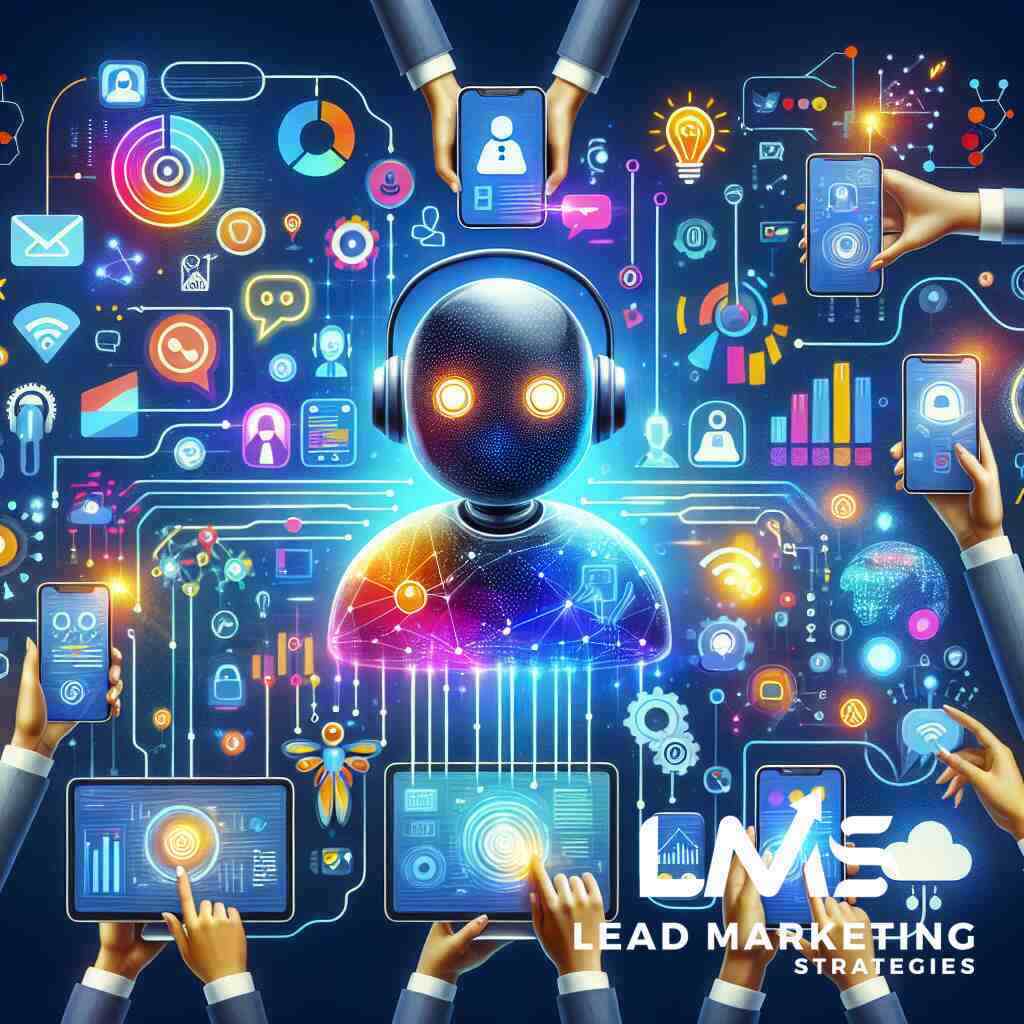
Chatbots in banking have proven to be a transformative force, redefining the landscape of customer interactions and operational efficiencies. By automating routine tasks and providing 24/7 customer support, these AI-driven tools significantly reduce the workload on human agents, allowing them to focus on more complex customer needs. From handling simple inquiries about account balances to offering tailored financial advice, chatbots enhance customer engagement and satisfaction. Moreover, their integration into CRM systems ensures that all customer interactions are aligned and data-driven, providing a personalized and seamless banking experience. The strategic use of chatbots in banking not only optimizes operational costs but also boosts customer loyalty and trust, which is crucial for the competitive banking landscape.
Future Prospects
The future of chatbots in banking looks promising and dynamic, with continuous advancements in AI technology shaping their evolution. Emerging trends such as voice activation, emotion recognition, and predictive analytics are set to further enhance chatbots’ functionality and efficiency. The integration of these technologies will make chatbots more intuitive and responsive, moving them from transactional tools to proactive financial advisors.
Moreover, as digital transformation accelerates, chatbots are poised to play a pivotal role in the introduction of blockchain for secure transactions and smart contracts, strengthening the security architecture of digital banking. Optimizing bank digital marketing in Alabama 2024 is just one regional example of how forward-thinking strategies are reshaping the financial landscape, with chatbots at the core of these innovations.
Call to Action for Banks
For banks considering their next strategic move, the implementation of chatbots offers measurable benefits. However, the successful integration of this technology extends beyond mere installation. Partnering with experienced marketing agencies like Bank Marketing Strategies or Lead Marketing Strategies can greatly facilitate the process. These agencies not only understand the nuances of financial marketing but also bring extensive expertise in securing customer interactions and promoting brand growth through innovative digital marketing strategies.
Therefore, banks should not hesitate to embrace this technology. By leveraging chatbots’ capabilities, they can not only refine their customer service efforts but also gain valuable insights into customer behaviors and preferences, aiding in the development of more targeted products and services.
In an era where digital convenience and security are paramount, the transition towards AI-driven customer service tools like chatbots is not just an option but a necessity for banks aiming to thrive and lead in the competitive sector of financial services.
Contact us today and discover how Bank Marketing Strategies can tailor a chatbot solution that will transform your customer service, enhance your brand, and catapult your bank into the future of digital banking.
Frequently Asked Questions
Question: How can Bank Marketing Strategies help optimize the 24/7 banking support through chatbots?
Answer: Bank Marketing Strategies specializes in leveraging advanced AI-driven banking services to create robust chatbot solutions for around-the-clock banking support. By meticulously integrating chatbots into existing bank CRM systems, our strategies ensure continuous, real-time interactions that handle a multitude of customer inquiries with efficiency and accuracy. This capability is critical in today’s banking environment, where customers expect instant responses and round-the-clock assistance. Our experts craft chatbots that can autonomously resolve frequent queries, reducing bank call center load and enhancing overall customer satisfaction.
Question: How does the ‘Revolutionizing Customer Service with Chatbots’ blog post align with the current trends in AI in customer service?
Answer: The blog post ‘Revolutionizing Customer Service with Chatbots’ captures the essence of modern AI deployments in customer service, particularly within the banking sector. As detailed in the post, chatbots are emerging as a pivotal tool in enhancing customer interactions through real-time responses, automated banking solutions, and personalized banking experiences. At Bank Marketing Strategies, we adopt these trending AI capabilities to tailor chatbot interactions that aren’t just responsive but also intuitive, catering specifically to the dynamic needs of modern banking customers.
Question: How can integrating chatbots improve our bank’s marketing strategies and customer engagement?
Answer: Integrating chatbots plays a multifaceted role in improving marketing strategies and customer engagement for banks. Chatbots offer personalized banking advice using AI-driven analyses of customer data, which can significantly improve user engagement through customized service offerings. Additionally, by seamlessly integrating chatbots with bank digital marketing initiatives such as financial PPC advertising, banking content marketing, and social media campaigns, banks can ensure consistent customer interactions across all digital platforms. Bank Marketing Strategies helps in crafting integrated solutions that not only streamline customer service but also bolster your overall marketing outreach.
Question: Can Bank Marketing Strategies ensure data security when implementing chatbots in financial services?
Answer: Security is paramount, especially in the financial sector. At Bank Marketing Strategies, we prioritize the implementation of chatbots that adhere strictly to global data protection regulations, such as GDPR. Our chatbot solutions utilize end-to-end encryption, regular security audits, and robust compliance checks to ensure that all customer interactions and data transmissions are secure. We understand the critical nature of data privacy in banking and ensure that our chatbot implementations strengthen trust and reliability among your customers by providing them with a secure digital banking environment.
Question: What steps do Bank Marketing Strategies take to improve the chatbot experience for banking clients continuously?
Answer: Our approach at Bank Marketing Strategies involves continuous assessment and optimization of chatbot functionalities to enhance customer experience. We consistently gather user feedback and interaction data, which are crucial in refining the AI learning models. Regular updates to natural language processing capabilities and learning algorithms are carried out to improve the understanding and responsiveness of chatbots. Moreover, we stay abreast of the latest advances in AI and digital banking solutions, incorporating new features that can lead to more sophisticated, efficient, and customer-friendly chatbot services.

The Bank Marketing Strategies Team
Our team of marketing experts specializes in helping banks grow their businesses through strategic digital marketing, SEO, and customer acquisition.
View all articles