Unveiling the Future of Bank Marketing
Introduction to AI-Driven Strategies
The advent of AI-driven bank marketing has revolutionized how financial institutions engage with their customers. By leveraging machine learning and data analytics, banks can anticipate customer needs, personalize services, and enhance customer experiences. While traditional marketing strategies laid the groundwork, artificial intelligence offers unprecedented capabilities in tailoring customer interactions and efficiently allocating resources. Implementing AI into bank marketing strategies not only refines targeting and segmentation but also optimizes decision-making processes.
Omni-Channel Approaches in Banking
In today’s competitive landscape, adopting omnichannel financial advertising approaches has become indispensable. Banks are integrating channels such as mobile, social media, email, and physical branches to create a seamless customer experience. This interconnected strategy ensures that customers can engage with their financial institution on their terms, fostering loyalty and satisfaction. As finance institutions embrace omnichannel marketing, it becomes vital to keep messaging consistent and personalized across all customer touchpoints.
The Digital Transformation in Financial Services
The digital banking transformation is radically altering the financial services sector. Through the integration of innovative tech solutions such as blockchain, banks are simplifying processes and enhancing security. This transformation is not about digital for digital’s sake but rather about addressing evolving consumer habits and expectations. By prioritizing mobile-first strategies and digital engagement, financial institutions are positioned to meet the demands of the tech-savvy consumer, ensuring relevance in an ever-evolving market landscape.
Augmented and Virtual Realities in Banking
Immersive Experiences for Customer Engagement
Embracing augmented and virtual reality in finance has enabled banks to create immersive customer experiences that go beyond traditional interactions. By integrating virtual environments, banks can offer personalized product walkthroughs and financial education tailored to individual needs. This cutting-edge approach allows customers to visualize financial scenarios, enhancing their understanding and decision-making processes through augmented and virtual reality in finance. As financial institutions embrace these technologies, they can foster a deeper connection with their clientele, providing a memorable banking journey.
Interactive Banking Solutions and Innovations
Innovative interactive banking solutions are transforming how customers engage with their financial institutions. Through virtual reality technology, banks can simulate real-world banking experiences, allowing customers to explore products and services in a virtual setting. This not only enhances customer satisfaction but also streamlines onboarding processes and product demonstrations. Banks implementing these innovations can effectively cater to the digital-savvy consumer, offering a blend of convenience and futuristic engagement that traditional methods lack. As banks continue to innovate, they set new standards for interactive customer engagement in the financial industry.
Exploring Augmented Reality in Bank Advertising
The exploration of augmented reality in bank advertising opens new avenues for creative and engaging marketing campaigns. By overlaying digital information onto the physical environment, banks can offer unique promotions and product insights that captivate consumers. This approach not only attracts potential clients but also enhances brand recognition and memorability through augmented reality in bank advertising. As more banks adopt augmented reality in their advertising strategies, they stand out in a competitive market, demonstrating their commitment to innovation and modern customer engagement tactics.
Data-Driven and Predictive Marketing Tactics
Harnessing Predictive Analytics in Banking
Predictive analytics is reshaping the banking landscape, allowing financial institutions to foresee customer behaviors and plan accordingly. By leveraging comprehensive data sets, banks can gain insights into customer preferences and trends. This enables institutions to craft personalized banking experiences that align precisely with individual needs. The utilization of predictive financial analytics facilitates accurate forecasting, making it easier for banks to manage risks and optimize operational strategies. As the financial ecosystem becomes increasingly data-dependent, predictive analytics positions banks to stay ahead of market changes while ensuring customer satisfaction.
The Role of Data-Driven Financial Campaigns
Data-driven financial campaigns have become an integral part of modern bank marketing, transforming how products and services are advertised. These campaigns rely on comprehensive data analysis to target specific audience segments with tailored messaging. By understanding customer demographics, behavioral patterns, and preferences, banks can deliver hyper-targeted bank ads that resonate clearly with potential clients. The strategic implementation of data-driven campaigns not only increases conversion rates but also deepens brand loyalty by addressing the unique needs of each consumer. For banks aiming to thrive in a competitive market, embracing these innovative marketing approaches is crucial.
Real-Time Finance Data Analysis and Insights
The dynamic nature of bank marketing today necessitates real-time finance data analysis to maintain a competitive edge. By swiftly processing and interpreting incoming data, banks are able to make informed decisions that influence marketing strategies in real-time. This capability allows financial institutions to react promptly to market shifts, consumer behavior changes, and competitor strategies. The insights gleaned from real-time analysis drive both tactical and strategic decision-making processes, ensuring that marketing strategies remain effectively aligned with current market conditions. As banks continue to evolve, real-time data analysis serves as an essential tool, paving the way for agile, informed, and impactful marketing initiatives.
Innovative Personalization and Customer Experience
Chatbot Banking Services and Automated Communication
In the realm of modern bank marketing, chatbot banking services are redefining customer interactions. By offering 24/7 assistance, chatbots enhance accessibility, providing instant responses to customer queries. This AI-driven solution saves time and operational costs while improving user satisfaction and retention. Automated communication tools enable personalized banking experiences by suggesting tailored products and services based on previous interactions. Through these innovations, banks can efficiently handle thousands of inquiries simultaneously, ensuring smooth and quick problem resolution. As institutions adopt these technologies, they align themselves with consumer expectations for immediacy and convenience in digital banking environments.
Customer-Centric Strategies: Mapping the Bank Journey
Developing customer-centric banking strategies is fundamental for fostering lasting relationships and driving growth. Understanding the bank journey from a client’s perspective allows institutions to align their offerings with customer aspirations. This involves mapping every touchpoint and identifying potential pain points to enhance satisfaction and loyalty. By employing data analytics and feedback mechanisms, banks can continuously refine their services, yielding higher engagement levels. Catering to customer preferences not only elevates the banking experience but also differentiates banks in a competitive market. At Lead Marketing Strategies, we excel at crafting personalized marketing approaches that solidify brand trust and encourage customer advocacy.
Hyper-Targeted Bank Ads for Personalized Outreach
In the increasingly competitive landscape of bank marketing strategies in Georgia, the use of hyper-targeted bank ads has become essential. This innovative approach leverages data analytics to deliver highly relevant advertisements to specific consumer segments. By understanding customer profiles and preferences, banks can craft messages that resonate powerfully, enhancing engagement and conversion rates. Hyper-targeted advertisements ensure that promotional content is seen by those most likely to benefit from it, thus optimizing the marketing budget. These personalized outreach efforts not only enhance customer experiences but also build stronger connections with potential clients, a critical component for any successful financial institution in Georgia and beyond.
Sustainable and Ethical Banking Practices
Integrating Blockchain for Marketing and Operations
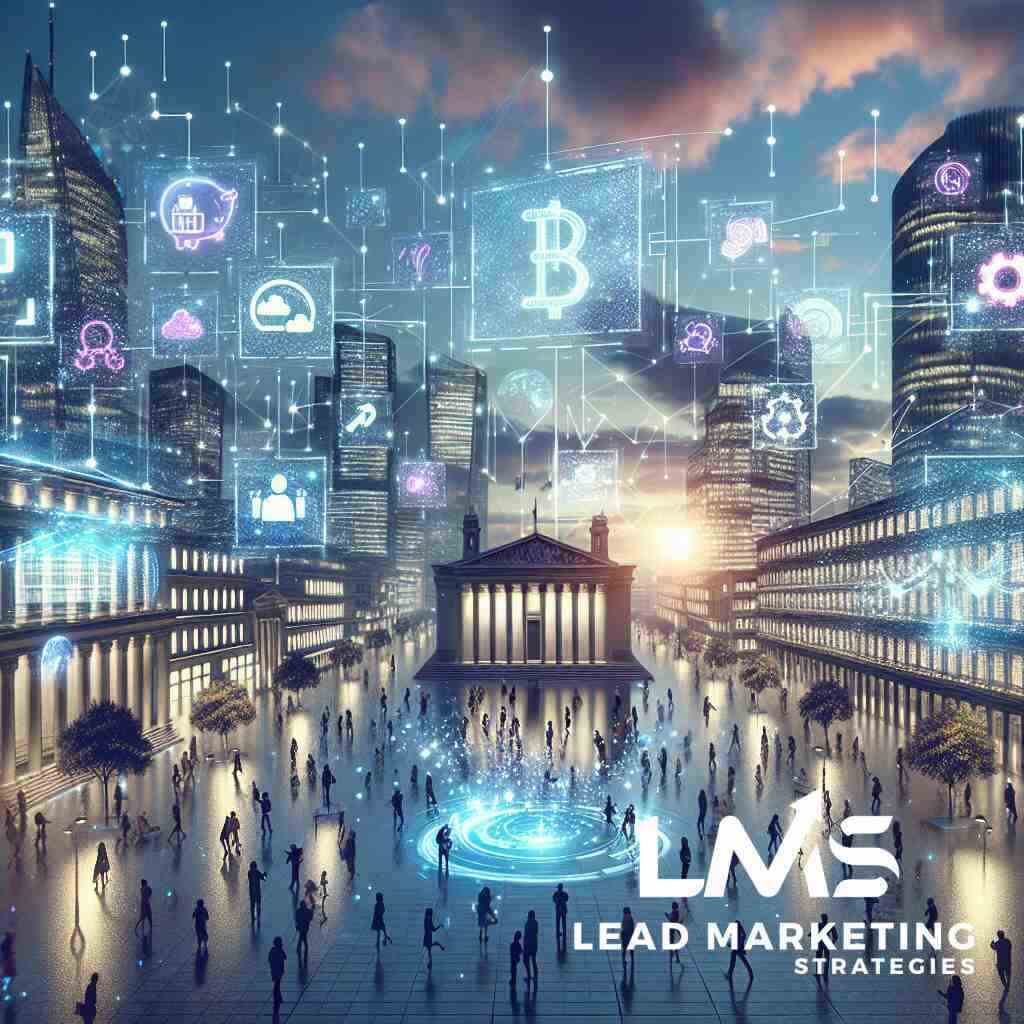
The integration of blockchain into banking presents novel opportunities for enhancing transparency and efficiency in marketing and operational activities. Blockchain technology offers immutable and verifiable records, allowing financial institutions to streamline processes while boosting trust among consumers. By embracing blockchain, banks can revolutionize identity verification, ensuring secure and fast customer onboarding. Efficient, sustainable banking practices are increasingly significant in today’s environmentally conscious market. This technology not only curtails fraud but also ensures that marketing strategies adhere to sustainable and ethical standards, enhancing corporate reputation and consumer confidence.
Blockchain also aids in maintaining regulatory compliance by creating inherently secure transaction logs that are tamper-proof. This results in improved accuracy and speed in audits, fostering strong regulatory relationships. Furthermore, smart contracts enabled by blockchain streamline agreements between banks and consumers, automating processes and reducing administrative costs. As banks navigate the digital transformation landscape, integrating blockchain into operations will prove indispensable, positioning institutions at the forefront of technological excellence.
Gamification in Bank Marketing for Sustainable Engagement
Gamification has emerged as an innovative tactic within bank marketing, offering engaging experiences that captivate and retain customer interest. By incorporating game-like elements into banking services, financial institutions can bolster sustainable engagement and enhance customer loyalty. Interactive activities such as rewards programs, achievement badges, and virtual challenges incentivize customers to use digital services consistently, promoting financial literacy and healthy financial habits. This approach represents an exciting departure from traditional marketing tactics, appealing particularly to younger, digitally-savvy demographics.
Moreover, gamification can drive sustainable behavior, encouraging customers to make eco-friendly financial choices. Initiatives that reward users for opting into paperless statements or low-carbon investments align customer incentives with broader environmental goals. As banks integrate gamification into their branding in finance strategies, they not only differentiate themselves from competitors but also cultivate a forward-thinking image. This commitment to sustainability resonates with consumers who prioritize ethical considerations in their banking relationships.
Building Brand Loyalty through Sustainable Practices
Building brand loyalty in the modern banking environment demands a steadfast commitment to sustainability. Customers are increasingly aligning their financial choices with their personal values, and banks that prioritize sustainable practices are rewarded with increased trust and loyalty. Implementing strategies that emphasize ethical investment opportunities and responsible lending practices reflects a strong organizational commitment to sustainability.
Transparency is also crucial in building loyalty; consumers prefer banks that openly report their social and environmental impacts. By communicating these efforts through effective storytelling and marketing campaigns, financial institutions can captivate their audience while underscoring their dedication to ethical operations. Social listening tools further enable banks to gauge consumer sentiment and adapt their marketing strategies accordingly, ensuring a responsive and relevant brand presence.
Ultimately, the adoption of sustainable practices in banking fosters a symbiotic relationship with customers, who appreciate corporations that champion environmental stewardship alongside profitability. As banks strive for growth, integrating ethical considerations into every facet of operations will be pivotal in solidifying long-term relationships with a discerning consumer base. By embedding these values into core operations and marketing strategies, banks can secure a competitive advantage and drive meaningful change within the industry.
Conclusion: Embracing Tomorrow’s Banking Innovations
The Role of Innovation in Shaping Bank Marketing
Innovation is the cornerstone of modern bank marketing strategies, ushering in an era of unprecedented opportunity and transformation. As financial institutions embrace these cutting-edge technologies, they redefine customer engagement and operational efficiency. Artificial intelligence has become integral in analyzing vast data sets, enabling banks to tailor personalized financial offerings that anticipate consumer needs. Similarly, innovations such as virtual reality technology are reimagining interactive experiences, offering new dimensions to customer service. The embrace of such technologies not only enhances performance but also establishes banks as leaders in a competitive landscape. By staying ahead of technological trends like those seen in banking marketing strategies in South Carolina, institutions can ensure they remain relevant, innovative, and attractive to a tech-savvy clientele.
Preparing for Future Marketing Challenges
As the digital landscape evolves, banks must remain agile to address emerging marketing challenges and opportunities. The rapid development of technologies necessitates an adaptive approach to strategy formulation. Financial institutions must harness data-driven insights to make informed decisions, ensuring their marketing efforts resonate with a diverse customer base. This agility is essential in navigating uncertainties and shifting consumer behaviors. Furthermore, a focus on sustainable and ethical practices can significantly enhance brand reputation and customer loyalty. Banks that integrate such approaches, backed by robust marketing strategies, will find themselves better equipped to conquer future hurdles, fostering growth and customer satisfaction.
Final Thoughts: A Revolution in Financial Marketing
The ongoing revolution within financial marketing underscores the necessity for banks to invest in innovative solutions, positioning themselves for long-term success. By leveraging tools like AI, virtual reality, and blockchain, financial institutions can enhance customer experiences, streamline processes, and secure a competitive advantage. Emphasizing sustainability and personalization in marketing efforts not only builds trust but also aligns with the values of today’s consumers. As banks continue to adopt these practices, the role of marketing as a transformative force within the financial sector becomes evermore pivotal. With strategies tailored to evolving market dynamics, banks can lead this revolution, ensuring lasting relevance and prosperity. As these institutions consider the dynamic potential of marketing evolution, partnering with experts like Lead Marketing Strategies may provide the foresight necessary to thrive at Northgate Shopping Center in Commack, NY, and beyond.”}
Frequently Asked Questions
Question: How does AI-driven bank marketing enhance customer experiences and improve financial services?
Answer: AI-driven bank marketing revolutionizes the financial sector by using data analytics and machine learning to create personalized banking experiences. By analyzing vast datasets, AI can predict customer needs, allowing for tailored services and customer-centric bank innovations that greatly enhance user satisfaction. Banks can efficiently allocate resources, optimize decision-making processes, and provide dynamic, personalized interactions that increase engagement and loyalty. At Bank Marketing Strategies, we understand these nuances and leverage AI to refine targeting, ensuring that our financial marketing strategies align perfectly with consumer expectations.
Question: In the blog ‘What are Cutting-Edge Approaches in Bank Marketing Today,’ how do omni-channel financial advertising strategies foster customer loyalty?
Answer: Omni-channel financial advertising is key to creating a seamless customer experience by integrating various channels such as mobile, email, social media, and physical branches. This approach ensures that customers can engage with their financial institution anytime and anywhere, fostering loyalty and satisfaction. At Bank Marketing Strategies, we excel in maintaining consistent messaging across all platforms, enhancing brand recognition, and providing a unified experience that nurtures a strong customer relationship. Our expertise in leveraging omnichannel approaches stands out, making us a trusted partner in your journey toward enhanced consumer engagement.
Question: What role does predictive analytics play in modern bank marketing strategies?
Answer: Predictive analytics are pivotal in contemporary bank marketing, providing deep insights into customer behaviors and market trends. By harnessing data-driven financial campaigns, banks can precisely target specific audience segments, delivering personalized messages that align with individual preferences. The strategic use of predictive analytics allows financial institutions to efficiently manage risks and optimize operational strategies, ultimately enhancing customer satisfaction and loyalty. At Bank Marketing Strategies, we use cutting-edge analytics to develop personalized outreach strategies, ensuring your bank stays ahead of market changes while continuously engaging with your target audience.
Question: How can interactive banking solutions and virtual reality be a game-changer for customer engagement?
Answer: Interactive banking solutions and virtual reality transform customer interactions by offering immersive experiences that traditional methods lack. These technologies allow customers to explore products and services, virtually leading to better understanding and informed decision-making. By embracing these innovative technologies, financial institutions can provide a futuristic engagement model that appeals to tech-savvy consumers. At Bank Marketing Strategies, our expertise in integrating such interactive solutions into bank marketing campaigns helps institutions bridge the gap between technology and user engagement, setting new standards in customer interaction.
Question: How do sustainable banking practices influence brand loyalty and trust among consumers?
Answer: Sustainable banking practices are increasingly significant in today’s environmentally conscious market, influencing brand loyalty and consumer trust. By focusing on ethical and sustainable approaches, banks not only address consumer values but also enhance their corporate reputation. Consumers prefer banks that exhibit transparency in their social and environmental efforts. At Bank Marketing Strategies, we integrate sustainable practices in our marketing strategies, promoting responsible investments and ethical operations that resonate with customers. This approach not only strengthens the connection with your audience but also aligns with broader societal goals, ensuring lasting relevance and trust in the financial industry.

The Bank Marketing Strategies Team
Our team of marketing experts specializes in helping banks grow their businesses through strategic digital marketing, SEO, and customer acquisition.
View all articles